
Split Systems
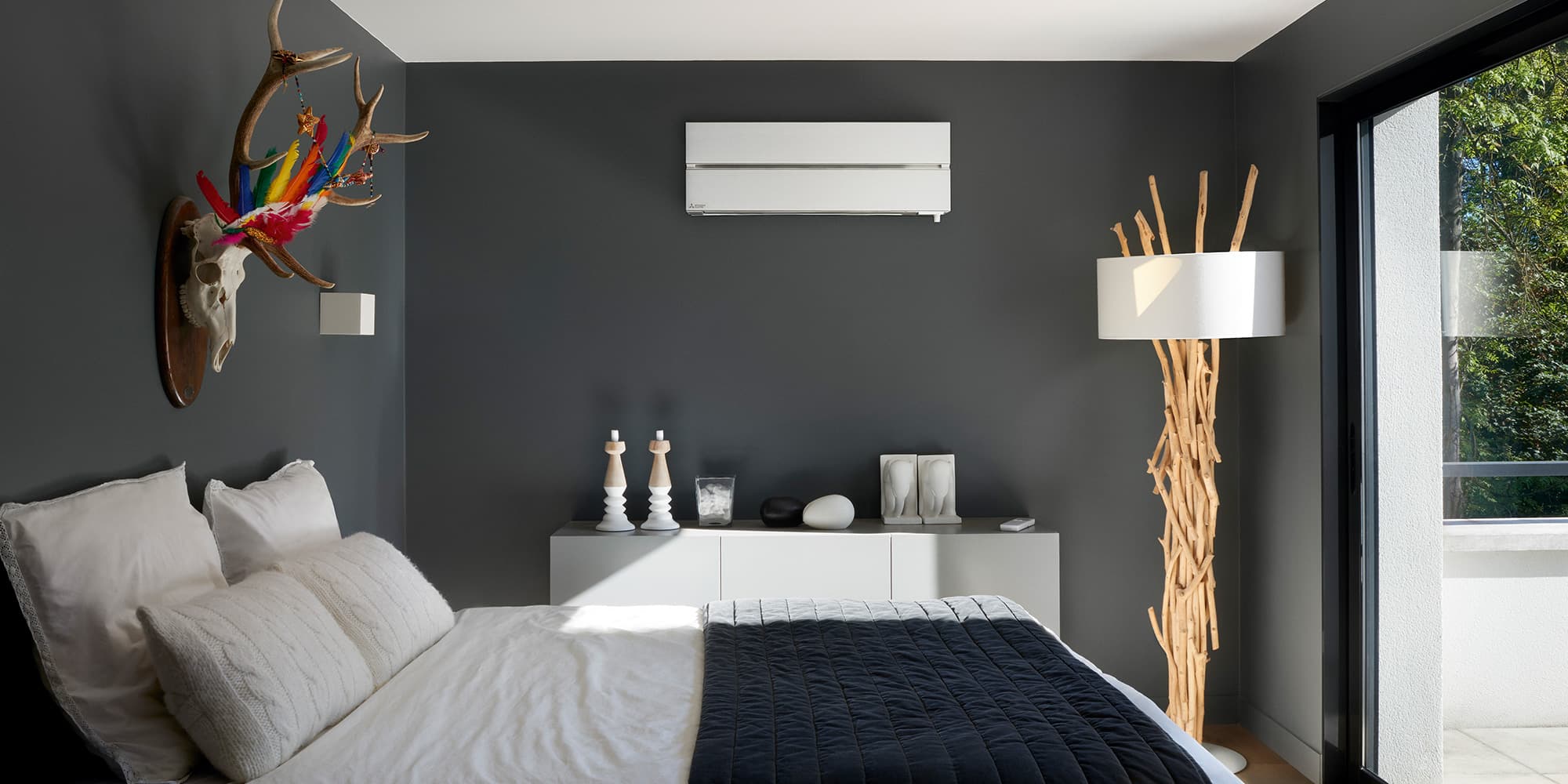
Split systems are efficient cooling and heating systems commonly used in homes and offices
Overview
How Split Air Conditioners Work and Their Components
Split ACs are efficient and widely used cooling systems in homes and offices. They consist of two units: an outdoor unit containing the compressor and condenser, and an indoor unit that distributes cool air.
Operation Mechanism of Split ACs
A Split AC works by absorbing heat from indoor air and transferring it outside, helping to cool the space comfortably and quickly. Temperature is controlled using a remote control, and these ACs are known for high energy efficiency and quiet operation.
Split ACs rely on advanced technology to provide efficient cooling. The cooling system consists of two units: an outdoor unit containing the compressor and condenser, and an indoor unit housing the evaporator and fan.
Operation begins when the compressor in the outdoor unit compresses the refrigerant gas, increasing its temperature. The gas then passes to the condenser where it is cooled and turns into a liquid. The cooled liquid travels through pipes to the indoor unit, where it enters the evaporator and turns back into a gas by absorbing heat from the room air.
Hot air is drawn from the room by the indoor unit's fan and passes over the evaporator, where it loses heat and becomes cool air. This cool air is distributed into the room by the fan, while the captured heat is transferred to the outdoor unit and expelled into the outside atmosphere.
🧮AC Capacity Calculator
Recommended Capacity
12,000 BTU (1 Ton)
These calculations are estimates for rooms with 3m ceiling height and average insulation. For specific conditions, please contact us.
Outdoor Unit
Contains the compressor, condenser, and cooling fan. The compressor compresses the refrigerant gas to increase its temperature and pressure, then the gas moves to the condenser where it is cooled and converted into a liquid.
Indoor Unit
Includes the evaporator and indoor fan. The evaporator absorbs heat from indoor air by passing the cooled liquid, which turns back into a gas after absorbing heat.
Refrigerant Gas
The element that absorbs heat from indoor air and transfers it outside, changing state from liquid to gas during the cooling cycle.
Connection Pipes
Connect the indoor and outdoor units, allowing the flow of refrigerant gas between different pressure and cooling stages.
Control Unit
Users control the AC's temperature and settings via a remote control.
Factors for Choosing a Split AC and Tips
When considering the right Split AC for your home or office, several factors should be taken into account to ensure optimal performance and energy savings.
✨ Key Selection Factors
Room Size and Appropriate Capacity
The required AC size depends on the area of the room to be cooled. AC capacity is measured in BTU (British Thermal Units). Required capacity should be calculated based on room volume to ensure cooling efficiency and energy savings.
The right capacity helps achieve desired cooling quickly and efficiently, enhances comfort in the conditioned space, and extends the AC's lifespan.Energy Efficiency and Savings
You can choose a highly energy-efficient Split AC, such as Inverter models, which significantly reduce energy consumption and provide more stable performance.
Look for ACs with high energy efficiency labels (like SEER or EER) to lower electricity consumption and monthly costs.Noise Level and Comfort
Ensure the AC operates quietly without disturbing noise, especially if installed in a bedroom or quiet space. Choose ACs with low noise levels for improved comfort.
Budget and Total Cost
When purchasing a Split AC based on budget, set a clear budget, considering long-term maintenance costs and energy consumption after purchase.
🏷️ Brand and Warranty
Choose a reliable brand offering long warranties and certified maintenance services. Well-known brands typically provide more efficient and durable ACs.
📏 Importance of Appropriate Capacity
Appropriate capacity plays a crucial role in cooling efficiency and energy consumption. If capacity is lower than required, the unit will work continuously to cool the room, leading to excessive energy consumption and reduced AC lifespan. If capacity is higher than required, it may cause overcooling and energy waste.
💡Quick Selection Tips:
- Accurately calculate room area to determine appropriate BTU capacity
- Focus on energy efficiency to lower electricity bills
- Choose ACs with low noise levels for quiet spaces
- Check after-sales service and warranty
- Compare available technologies like Inverter for long-term savings
Check out our latest Split AC offers with installation from our company
Gallery




Explore Other Systems
Split Systems
Split systems are efficient cooling and heating systems commonly used in homes and offices
Learn More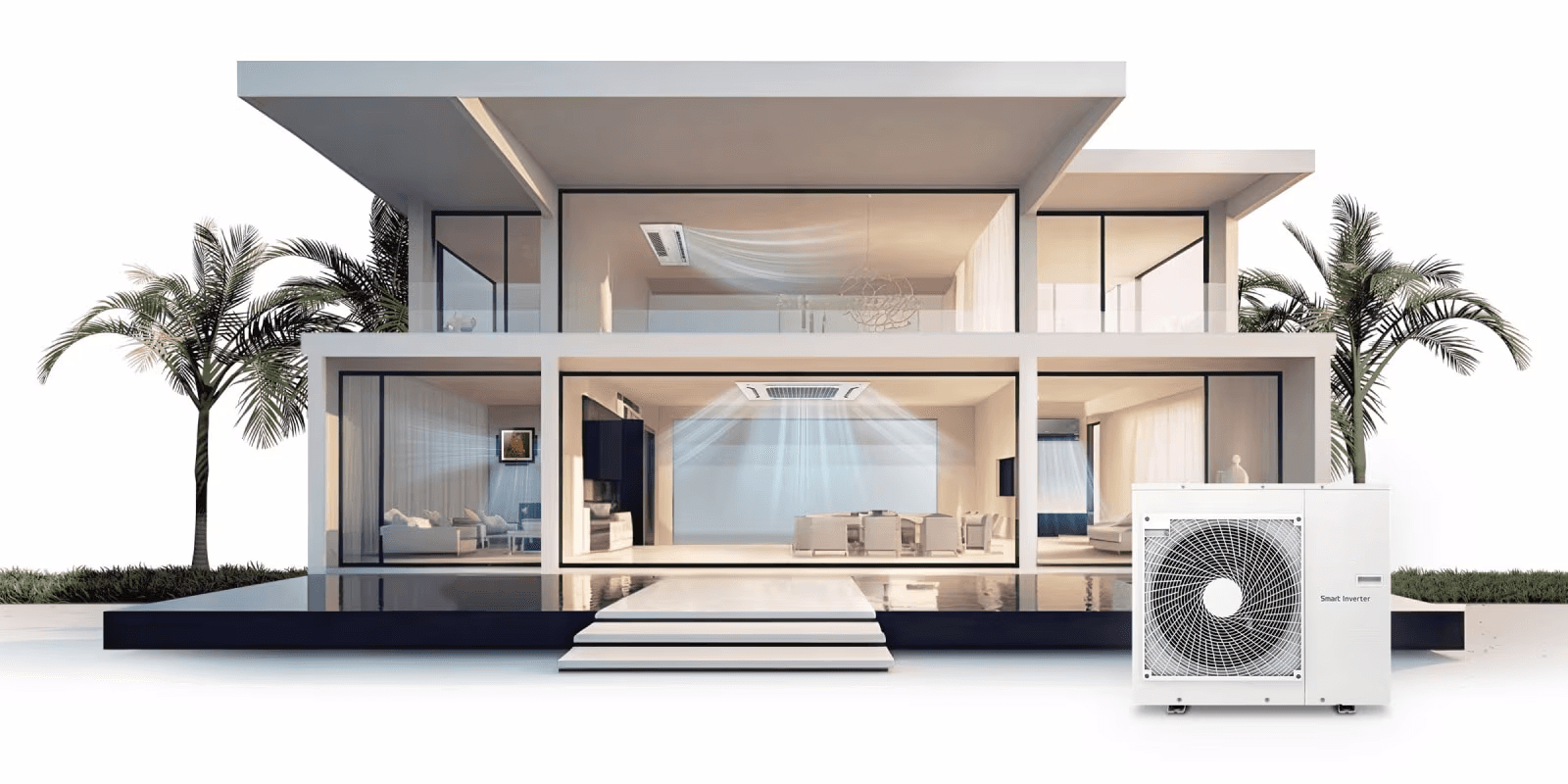
Multi Split Systems
One outdoor unit supplies multiple indoor units to provide zoned control and reduce the number of outdoor units.
Learn More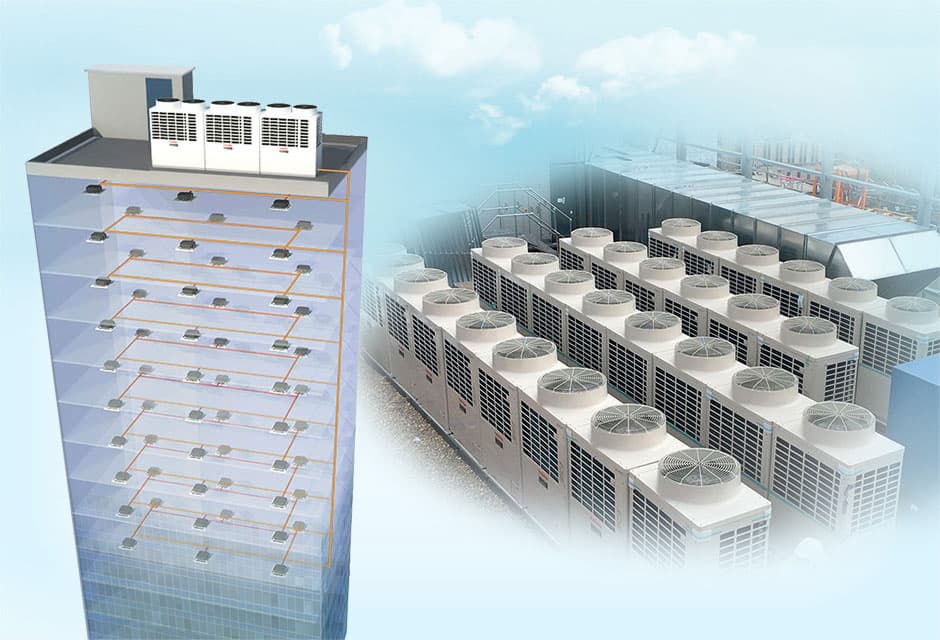
VRF/VRV Systems
VRF/VRV systems are the optimal air conditioning solution for large and medium buildings that need smart, energy-efficient central air conditioning
Learn More